Neurodiversity Training: More Than a Legal Obligation, It’s a Key to Unlocking Talent
Written by Tom Acres & Dr. Chandanee Kotecha.
In July 2025, a UK tribunal ruled Capgemini had discriminated against a neurodivergent employee by failing to deliver recommended ADHD awareness training. Occupational health experts had advised training as a reasonable adjustment, but it was ignored, breaching the Equality Act 2010.
The case made headlines, but the bigger message is this: neurodiversity training isn’t just about avoiding lawsuits. It’s about building healthier, more inclusive workplaces where people and organisations thrive.
Neurodiversity describes natural differences in how people think and process information – just as biodiversity strengthens ecosystems, neurodiversity strengthens workplaces. Conditions like autism, ADHD, dyslexia, and dyspraxia bring unique perspectives and skills.
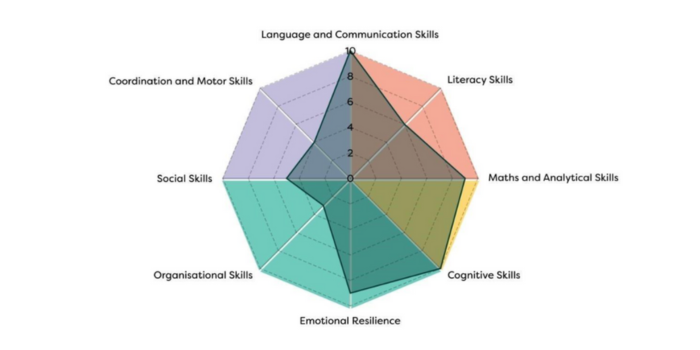
Yet awareness remains low. Training often focuses on single conditions in isolation, missing the reality that many traits overlap. One in six people has a “spiky profile” – exceptional strengths in some areas, with challenges in others. Supporting individuals, not labels, is the key.
Workplaces are still built with a “neurotypical default,” which can unintentionally exclude. Training helps teams recognise that differences in focus, communication, or sensory needs aren’t flaws but part of human diversity.
Yes, the tribunal shows that ignoring training advice can breach the law. But compliance shouldn’t be the only reason. The real value is a culture where neurodivergence is understood, respected, and celebrated.
Psychologically safe workplaces, where employees can be themselves without fear of stigma, lead to higher engagement, loyalty, and productivity.
Neurodivergent strengths often include:
These aren’t niche skills, they’re competitive advantages. History and business alike show the impact: Richard Branson (dyslexia), Michael Phelps (ADHD), Greta Thunberg (autism).
Organisations that embrace neurodivergence unlock fresh energy, innovation, and perspective.
Good neurodiversity training is:
Change happens when both leaders and staff commit, top-down and bottom-up.
Tribunals may penalise organisations that neglect training, but forward-thinking employers act out of commitment, not fear. Inclusion isn’t a tick-box, it’s a mindset that asks: How can we make difference an asset?
When neurodivergent people feel safe to be themselves, businesses don’t just avoid risk, they gain unmatched creativity, focus, and innovation.
Neurodiversity training is not just protection. It’s potential.
We offer two practical programmes:
Both courses turn awareness into action, helping teams create workplaces where everyone can succeed.
Ready to start? Get in touch to discuss how we can tailor training to your organisation.
We offer two practical programmes:
Both courses turn awareness into action, helping teams create workplaces where everyone can succeed.
Get in touch today to learn more or discuss how we can tailor these sessions to your organisation’s needs.
 https://steponecharity.co.uk/wp-content/uploads/2026/06/Website-News-Headers-2024-24.png
355
700
Isaac Mann
https://steponecharity.co.uk/wp-content/uploads/2024/02/step-one-wellbeing.svg
Isaac Mann2026-07-02 13:26:042026-07-02 15:26:24Celebrating 25 Years of Dedication: Lesley Clift’s Journey with Step One
https://steponecharity.co.uk/wp-content/uploads/2026/06/Website-News-Headers-2024-24.png
355
700
Isaac Mann
https://steponecharity.co.uk/wp-content/uploads/2024/02/step-one-wellbeing.svg
Isaac Mann2026-07-02 13:26:042026-07-02 15:26:24Celebrating 25 Years of Dedication: Lesley Clift’s Journey with Step One https://steponecharity.co.uk/wp-content/uploads/2026/07/Website-News-Headers-2024-26.png
355
700
Isaac Mann
https://steponecharity.co.uk/wp-content/uploads/2024/02/step-one-wellbeing.svg
Isaac Mann2026-07-02 13:25:322026-07-03 09:50:08My week with Step One Charity by Zoe Godfrey
https://steponecharity.co.uk/wp-content/uploads/2026/07/Website-News-Headers-2024-26.png
355
700
Isaac Mann
https://steponecharity.co.uk/wp-content/uploads/2024/02/step-one-wellbeing.svg
Isaac Mann2026-07-02 13:25:322026-07-03 09:50:08My week with Step One Charity by Zoe Godfrey https://steponecharity.co.uk/wp-content/uploads/2026/06/Website-News-Headers-2024-22.png
355
700
Isaac Mann
https://steponecharity.co.uk/wp-content/uploads/2024/02/step-one-wellbeing.svg
Isaac Mann2026-06-12 09:52:052026-06-12 14:56:05Nine Years of Service: Robert Williams Reflects on His Time as Trustee
https://steponecharity.co.uk/wp-content/uploads/2026/06/Website-News-Headers-2024-22.png
355
700
Isaac Mann
https://steponecharity.co.uk/wp-content/uploads/2024/02/step-one-wellbeing.svg
Isaac Mann2026-06-12 09:52:052026-06-12 14:56:05Nine Years of Service: Robert Williams Reflects on His Time as Trustee https://steponecharity.co.uk/wp-content/uploads/2026/05/Website-News-Headers-2024-20.png
355
700
Isaac Mann
https://steponecharity.co.uk/wp-content/uploads/2024/02/step-one-wellbeing.svg
Isaac Mann2026-05-08 10:25:462026-05-08 11:23:26Mental Health Awareness Week: Taking Action Together
https://steponecharity.co.uk/wp-content/uploads/2026/05/Website-News-Headers-2024-20.png
355
700
Isaac Mann
https://steponecharity.co.uk/wp-content/uploads/2024/02/step-one-wellbeing.svg
Isaac Mann2026-05-08 10:25:462026-05-08 11:23:26Mental Health Awareness Week: Taking Action Together https://steponecharity.co.uk/wp-content/uploads/2026/02/Becky-T-15-years.png
355
700
Isaac Mann
https://steponecharity.co.uk/wp-content/uploads/2024/02/step-one-wellbeing.svg
Isaac Mann2026-04-17 13:42:282026-04-17 13:42:2815 Years of Impact: Becky Tucker’s Journey at Step One
https://steponecharity.co.uk/wp-content/uploads/2026/02/Becky-T-15-years.png
355
700
Isaac Mann
https://steponecharity.co.uk/wp-content/uploads/2024/02/step-one-wellbeing.svg
Isaac Mann2026-04-17 13:42:282026-04-17 13:42:2815 Years of Impact: Becky Tucker’s Journey at Step One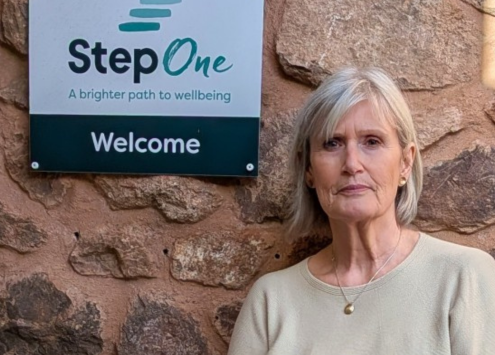 https://steponecharity.co.uk/wp-content/uploads/2026/02/5-minutes-with-Lorna.png
355
700
Isaac Mann
https://steponecharity.co.uk/wp-content/uploads/2024/02/step-one-wellbeing.svg
Isaac Mann2026-03-24 09:40:262026-03-24 10:21:275 minutes with Lorna Collingwood-Burke
https://steponecharity.co.uk/wp-content/uploads/2026/02/5-minutes-with-Lorna.png
355
700
Isaac Mann
https://steponecharity.co.uk/wp-content/uploads/2024/02/step-one-wellbeing.svg
Isaac Mann2026-03-24 09:40:262026-03-24 10:21:275 minutes with Lorna Collingwood-Burke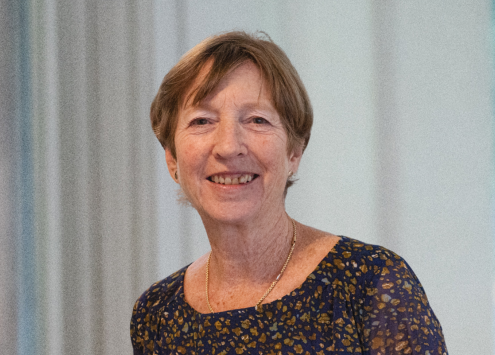 https://steponecharity.co.uk/wp-content/uploads/2026/03/Sue-Sutherland-OBE-Blog.png
355
700
Isaac Mann
https://steponecharity.co.uk/wp-content/uploads/2024/02/step-one-wellbeing.svg
Isaac Mann2026-03-06 11:30:192026-03-12 10:13:44Supporting Change: Sue Sutherland Reflects on Her Time as Chair
https://steponecharity.co.uk/wp-content/uploads/2026/03/Sue-Sutherland-OBE-Blog.png
355
700
Isaac Mann
https://steponecharity.co.uk/wp-content/uploads/2024/02/step-one-wellbeing.svg
Isaac Mann2026-03-06 11:30:192026-03-12 10:13:44Supporting Change: Sue Sutherland Reflects on Her Time as Chair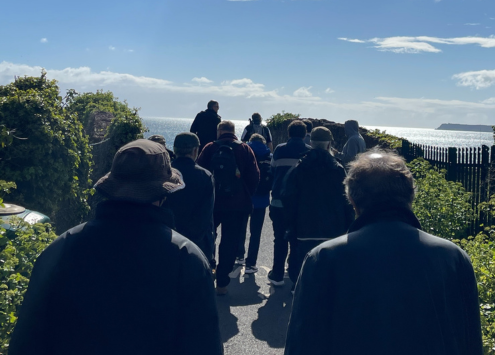 https://steponecharity.co.uk/wp-content/uploads/2026/02/Legacy-blog-2026.png
355
700
Isaac Mann
https://steponecharity.co.uk/wp-content/uploads/2024/02/step-one-wellbeing.svg
Isaac Mann2026-02-11 15:19:122026-02-11 15:34:31Leave a Legacy of Support: Make a Will Week 2026
https://steponecharity.co.uk/wp-content/uploads/2026/02/Legacy-blog-2026.png
355
700
Isaac Mann
https://steponecharity.co.uk/wp-content/uploads/2024/02/step-one-wellbeing.svg
Isaac Mann2026-02-11 15:19:122026-02-11 15:34:31Leave a Legacy of Support: Make a Will Week 2026 https://steponecharity.co.uk/wp-content/uploads/2025/09/Website-News-Headers-2024-1.png
355
700
Isaac Mann
https://steponecharity.co.uk/wp-content/uploads/2024/02/step-one-wellbeing.svg
Isaac Mann2025-09-12 09:52:112025-09-12 09:52:11Walking for a Cause: The Journey Behind the 300,000 Steps
https://steponecharity.co.uk/wp-content/uploads/2025/09/Website-News-Headers-2024-1.png
355
700
Isaac Mann
https://steponecharity.co.uk/wp-content/uploads/2024/02/step-one-wellbeing.svg
Isaac Mann2025-09-12 09:52:112025-09-12 09:52:11Walking for a Cause: The Journey Behind the 300,000 Steps