Why reading can be good for your mental health

Because we have so much “important” reading in our everyday lives, such as the newspaper, texts, road signs, emails, and bills, many of us take the simple act of reading for granted. But how often do we read for pleasure?
Here are just a few of the benefits of reading:
Picking up a book can help us escape from reality and take us out of the present moment. A 2009 research study conducted at the University of Sussex found that reading can lower stress by 68 per cent! They discovered that it is more effective than other relaxation techniques such as listening to music and having a cup of tea.
It may not be the first thing that comes to mind when you read a book, but studies have shown that reading may help you better understand the feelings and behaviours of others.
Otherwise known as bibliotherapy where reading books, especially literature, can help with things like anxiety, grief and depression. Reading books can help you feel more connected and allows your imagination to become more engaged as you connect emotionally with the characters which can reflect your own feelings and problems.
Getting enough sleep is essential to maintain your mental health and wellbeing so creating a bedtime routine, like reading before bed, signals to your body that it’s time to wind down and get some rest. It’s a great alternative to screen time too!
Reading on a daily basis helps to boost memory function by giving your brain a good exercise. Memory function declines with age, but reading consistently can help to avoid this by keeping our minds sharper for longer.
So, no matter where you do it or what genre you choose, consider reading more to improve your mental health and wellbeing! What have you got to lose?
 https://steponecharity.co.uk/wp-content/uploads/2026/06/Website-News-Headers-2024-24.png
355
700
Isaac Mann
https://steponecharity.co.uk/wp-content/uploads/2024/02/step-one-wellbeing.svg
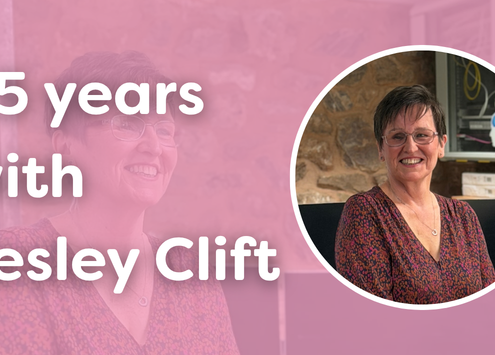
Isaac Mann2026-07-02 13:26:042026-07-02 15:26:24Celebrating 25 Years of Dedication: Lesley Clift’s Journey with Step One
https://steponecharity.co.uk/wp-content/uploads/2026/06/Website-News-Headers-2024-24.png
355
700
Isaac Mann
https://steponecharity.co.uk/wp-content/uploads/2024/02/step-one-wellbeing.svg
Isaac Mann2026-07-02 13:26:042026-07-02 15:26:24Celebrating 25 Years of Dedication: Lesley Clift’s Journey with Step One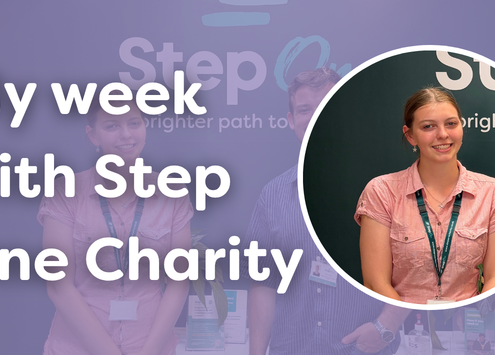 https://steponecharity.co.uk/wp-content/uploads/2026/07/Website-News-Headers-2024-26.png
355
700
Isaac Mann
https://steponecharity.co.uk/wp-content/uploads/2024/02/step-one-wellbeing.svg
Isaac Mann2026-07-02 13:25:322026-07-03 09:50:08My week with Step One Charity by Zoe Godfrey
https://steponecharity.co.uk/wp-content/uploads/2026/07/Website-News-Headers-2024-26.png
355
700
Isaac Mann
https://steponecharity.co.uk/wp-content/uploads/2024/02/step-one-wellbeing.svg
Isaac Mann2026-07-02 13:25:322026-07-03 09:50:08My week with Step One Charity by Zoe Godfrey https://steponecharity.co.uk/wp-content/uploads/2026/06/Website-News-Headers-2024-22.png
355
700
Isaac Mann
https://steponecharity.co.uk/wp-content/uploads/2024/02/step-one-wellbeing.svg
Isaac Mann2026-06-12 09:52:052026-06-12 14:56:05Nine Years of Service: Robert Williams Reflects on His Time as Trustee
https://steponecharity.co.uk/wp-content/uploads/2026/06/Website-News-Headers-2024-22.png
355
700
Isaac Mann
https://steponecharity.co.uk/wp-content/uploads/2024/02/step-one-wellbeing.svg
Isaac Mann2026-06-12 09:52:052026-06-12 14:56:05Nine Years of Service: Robert Williams Reflects on His Time as Trustee https://steponecharity.co.uk/wp-content/uploads/2026/05/Website-News-Headers-2024-20.png
355
700
Isaac Mann
https://steponecharity.co.uk/wp-content/uploads/2024/02/step-one-wellbeing.svg
Isaac Mann2026-05-08 10:25:462026-05-08 11:23:26Mental Health Awareness Week: Taking Action Together
https://steponecharity.co.uk/wp-content/uploads/2026/05/Website-News-Headers-2024-20.png
355
700
Isaac Mann
https://steponecharity.co.uk/wp-content/uploads/2024/02/step-one-wellbeing.svg
Isaac Mann2026-05-08 10:25:462026-05-08 11:23:26Mental Health Awareness Week: Taking Action Together https://steponecharity.co.uk/wp-content/uploads/2026/02/Becky-T-15-years.png
355
700
Isaac Mann
https://steponecharity.co.uk/wp-content/uploads/2024/02/step-one-wellbeing.svg
Isaac Mann2026-04-17 13:42:282026-04-17 13:42:2815 Years of Impact: Becky Tucker’s Journey at Step One
https://steponecharity.co.uk/wp-content/uploads/2026/02/Becky-T-15-years.png
355
700
Isaac Mann
https://steponecharity.co.uk/wp-content/uploads/2024/02/step-one-wellbeing.svg
Isaac Mann2026-04-17 13:42:282026-04-17 13:42:2815 Years of Impact: Becky Tucker’s Journey at Step One https://steponecharity.co.uk/wp-content/uploads/2026/02/5-minutes-with-Lorna.png
355
700
Isaac Mann
https://steponecharity.co.uk/wp-content/uploads/2024/02/step-one-wellbeing.svg
Isaac Mann2026-03-24 09:40:262026-03-24 10:21:275 minutes with Lorna Collingwood-Burke
https://steponecharity.co.uk/wp-content/uploads/2026/02/5-minutes-with-Lorna.png
355
700
Isaac Mann
https://steponecharity.co.uk/wp-content/uploads/2024/02/step-one-wellbeing.svg
Isaac Mann2026-03-24 09:40:262026-03-24 10:21:275 minutes with Lorna Collingwood-Burke https://steponecharity.co.uk/wp-content/uploads/2026/03/Sue-Sutherland-OBE-Blog.png
355
700
Isaac Mann
https://steponecharity.co.uk/wp-content/uploads/2024/02/step-one-wellbeing.svg
Isaac Mann2026-03-06 11:30:192026-03-12 10:13:44Supporting Change: Sue Sutherland Reflects on Her Time as Chair
https://steponecharity.co.uk/wp-content/uploads/2026/03/Sue-Sutherland-OBE-Blog.png
355
700
Isaac Mann
https://steponecharity.co.uk/wp-content/uploads/2024/02/step-one-wellbeing.svg
Isaac Mann2026-03-06 11:30:192026-03-12 10:13:44Supporting Change: Sue Sutherland Reflects on Her Time as Chair https://steponecharity.co.uk/wp-content/uploads/2026/02/Legacy-blog-2026.png
355
700
Isaac Mann
https://steponecharity.co.uk/wp-content/uploads/2024/02/step-one-wellbeing.svg
Isaac Mann2026-02-11 15:19:122026-02-11 15:34:31Leave a Legacy of Support: Make a Will Week 2026
https://steponecharity.co.uk/wp-content/uploads/2026/02/Legacy-blog-2026.png
355
700
Isaac Mann
https://steponecharity.co.uk/wp-content/uploads/2024/02/step-one-wellbeing.svg
Isaac Mann2026-02-11 15:19:122026-02-11 15:34:31Leave a Legacy of Support: Make a Will Week 2026 https://steponecharity.co.uk/wp-content/uploads/2025/09/Website-News-Headers-2024-1.png
355
700
Isaac Mann
https://steponecharity.co.uk/wp-content/uploads/2024/02/step-one-wellbeing.svg
Isaac Mann2025-09-12 09:52:112025-09-12 09:52:11Walking for a Cause: The Journey Behind the 300,000 Steps
https://steponecharity.co.uk/wp-content/uploads/2025/09/Website-News-Headers-2024-1.png
355
700
Isaac Mann
https://steponecharity.co.uk/wp-content/uploads/2024/02/step-one-wellbeing.svg
Isaac Mann2025-09-12 09:52:112025-09-12 09:52:11Walking for a Cause: The Journey Behind the 300,000 Steps